Marine conservation begins with the knowledge we generate about the sea.
At L’Aquàrium de Barcelona, every scientific project, partnership and educational initiative shares the same goal: protecting the Mediterranean.
As a Mediterranean Marine Conservation Centre, it integrates research, the breeding of threatened species and scientific outreach to contribute to the protection of marine ecosystems.
This approach makes L’Aquàrium an active agent of conservation, where research becomes action, education becomes commitment, and every visit creates a positive impact on the Mediterranean.
Committed to conservation and knowledge of the sea
A mission built on awareness, commitment and action
Under the motto “To know is to love, to love is to protect, and to protect is to conserve,” L’Aquàrium de Barcelona works to foster knowledge of and respect for the Mediterranean.
Mediterranean conservation is an essential part of its mission. For this reason, it promotes research projects, educational programmes and outreach initiatives that contribute to the protection of marine biodiversity and to raising public awareness.
Through its exhibition spaces and its scientific and educational initiatives, visitors can discover how the health of the Mediterranean is studied and learn about some of the actions helping to preserve it for future generations.
Marine research and scientific projects
Science applied to marine conservation
For more than 25 years, L’Aquàrium de Barcelona has participated in marine research and R&D&I projects in collaboration with universities, research centres and public institutions. The centre provides facilities, specialised technical staff and logistical support for studies related to Mediterranean biology, ecology and conservation.
As a public institution, L’Aquàrium also plays a key role as:
- A scientific outreach platform for audiences of all ages.
- An educational space for schools, families and visitors.
- A meeting point between the scientific community and society.
This educational dimension broadens the impact of projects and promotes the transfer of scientific knowledge beyond the academic sphere.
Featured studies and research programmes
Among the projects and studies in which the centre has participated are:
- Monitoring heavy metal levels in seawater used in the facilities.
- Evaluating the efficiency of resins and coconut carbon in removing copper from seawater.
- Studying the use of natural anaesthetics as alternatives to synthetic products in ornamental fish.
- Developing predictive water-quality models through environmental data analysis.
- Captive breeding of marine species such as tropical corals, shrimp and jellyfish.
- Analysis of bacterial communities associated with marine gorgonians.
These projects contribute to improving scientific knowledge, optimising marine ecosystem management and opening new lines of research in collaboration with the scientific community.
Conservation projects for threatened species
Initiatives to protect marine biodiversity
The conservation of threatened species is one of the main areas of activity at L’Aquàrium de Barcelona. Through breeding programmes, monitoring initiatives and collaboration with scientific and conservation organisations, the centre contributes to the protection of vulnerable species and the preservation of Mediterranean marine ecosystems.
In addition to supporting direct actions focused on specific species, these initiatives help raise awareness of the importance of protecting the ecological balance of the Mediterranean and the role each organism plays within it.
Recovery of the European sturgeon
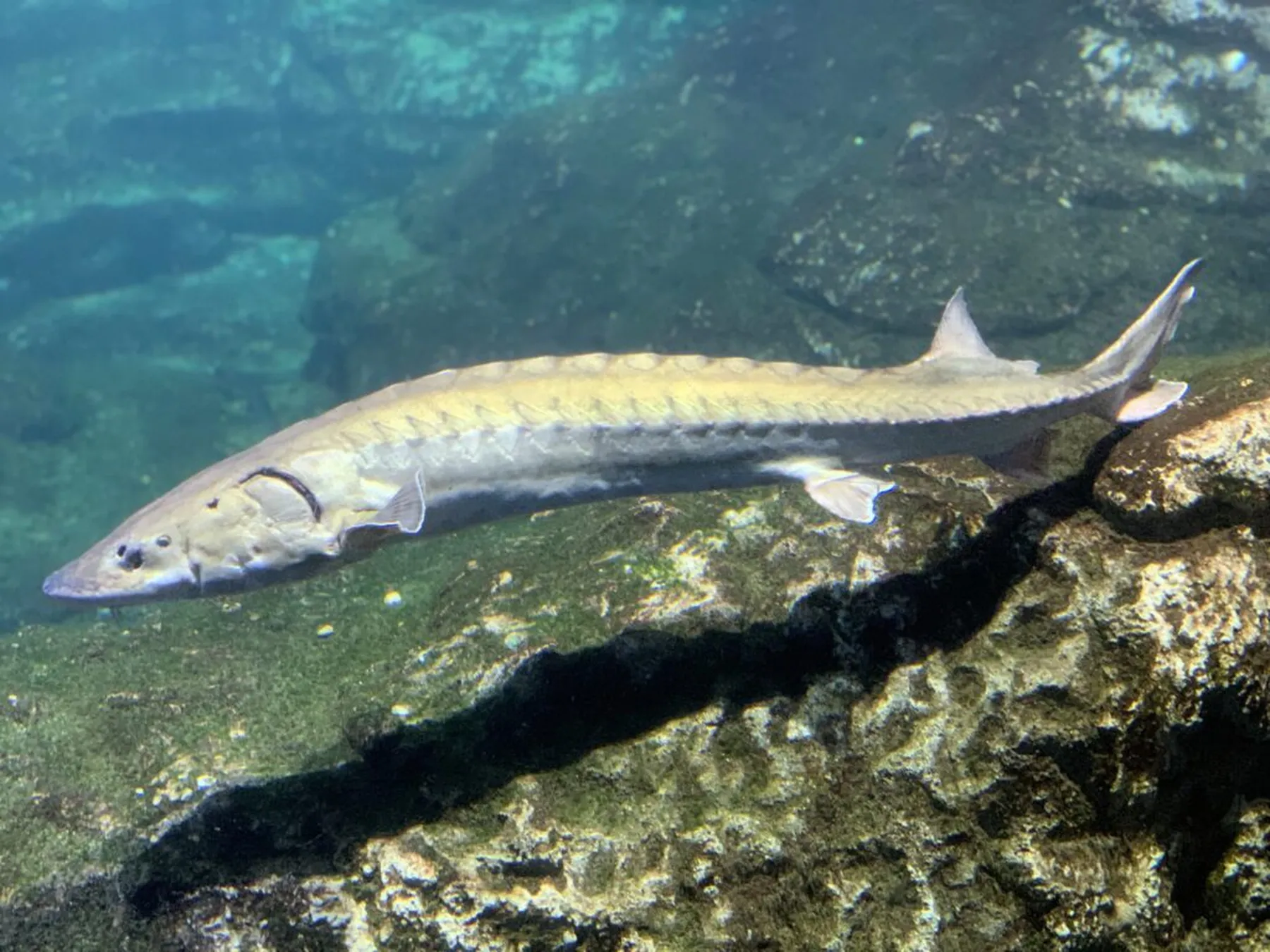
One of the most significant conservation initiatives is the collaboration in the recovery of the European sturgeon (Acipenser sturio), a species historically present in the Ebro River and which disappeared from its waters in the mid-20th century.
Through the LIFE MIGRATOEBRE project, L’Aquàrium de Barcelona participates in efforts to support its recovery by housing specimens and raising awareness about the ecological value of large migratory fish.
Sea Laboratory
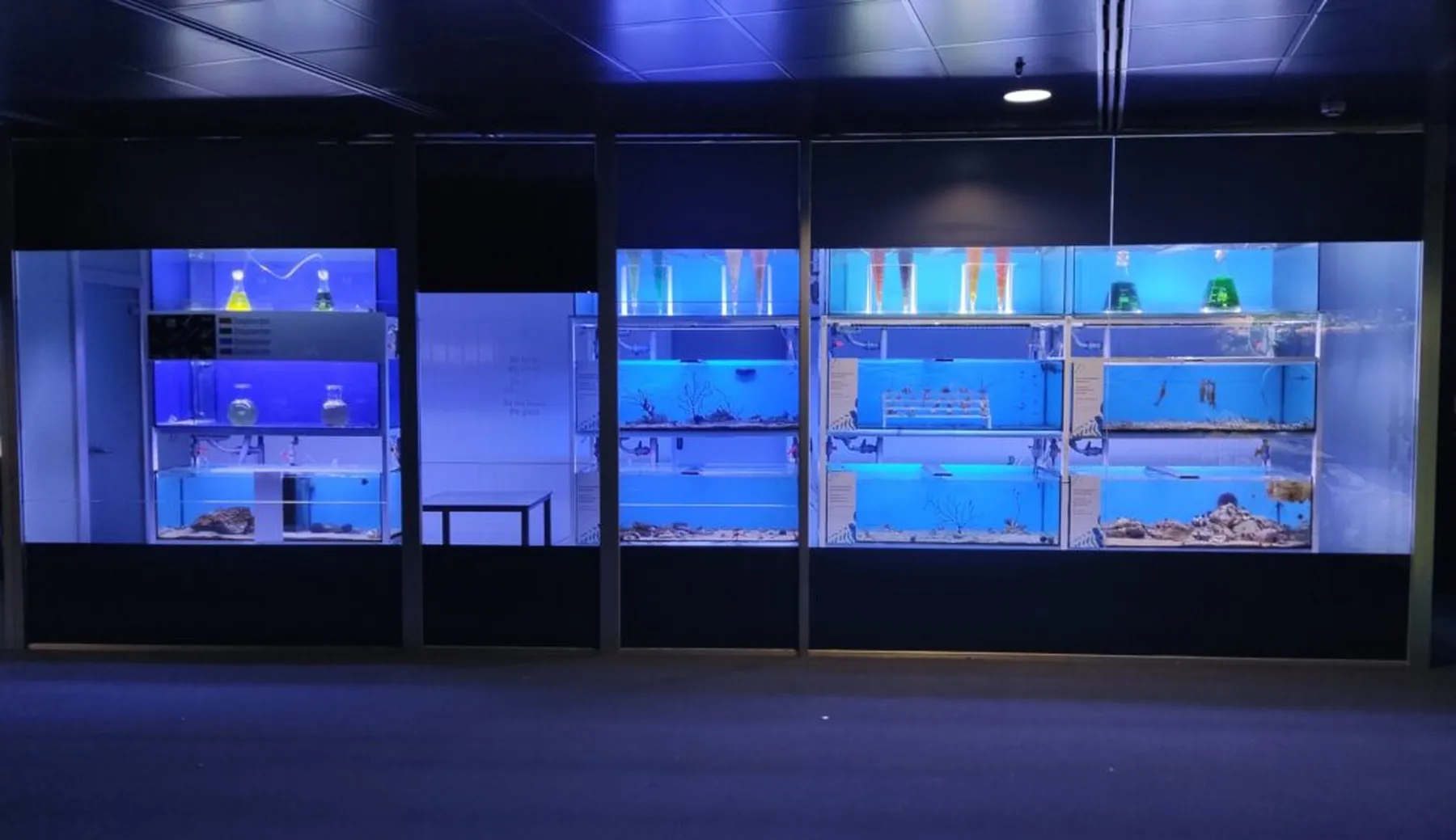
The Sea Laboratory is a space dedicated to the breeding and conservation of marine species that require highly specific care and environmental conditions.
This facility allows visitors to discover the work carried out to better understand the biology of these species. It also highlights the importance of protecting the most vulnerable stages of their life cycles in order to contribute to marine biodiversity conservation.
Mediterranean seahorse conservation
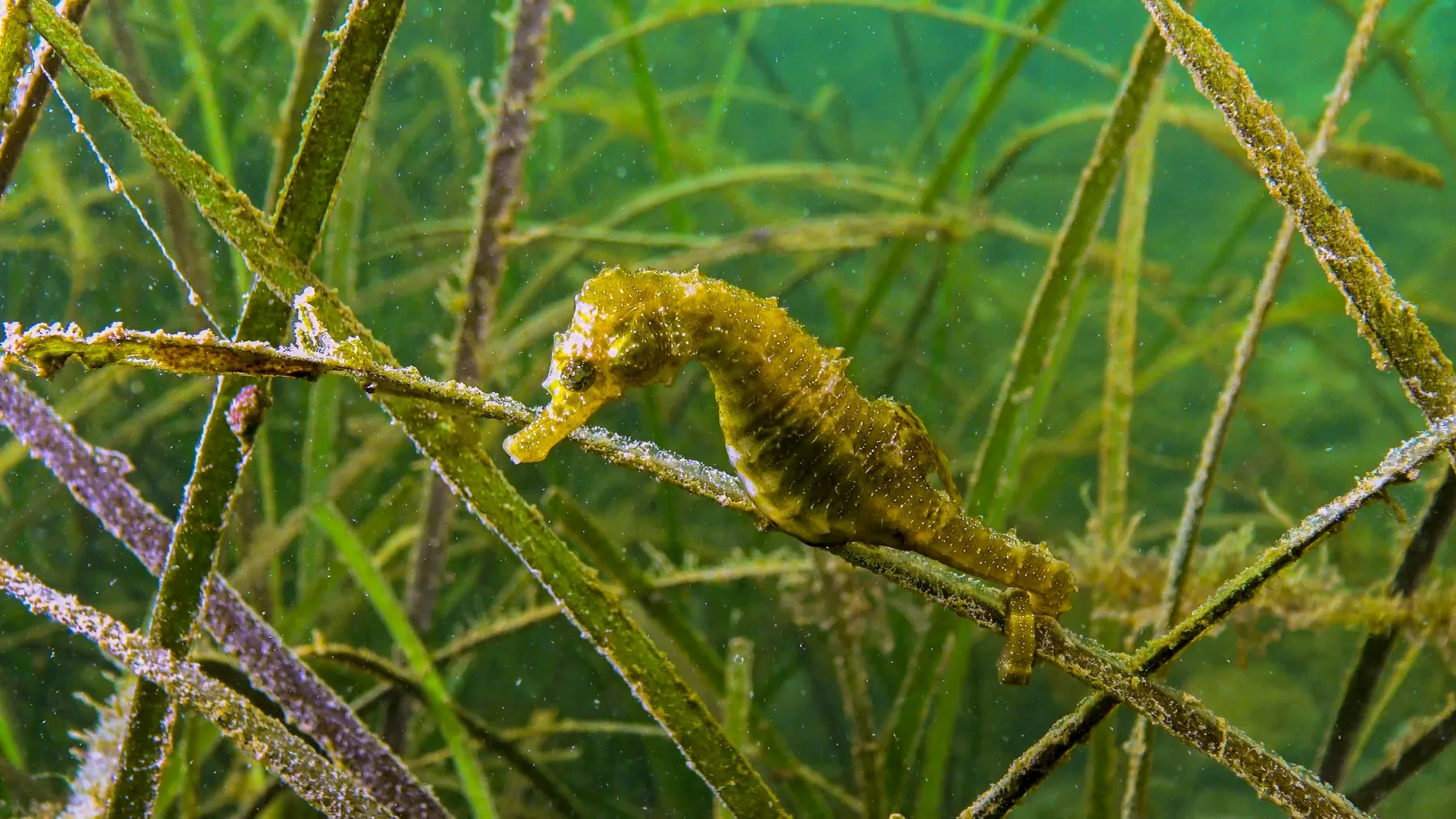
L’Aquàrium de Barcelona collaborates with Anèl·lides – Serveis Ambientals Marins in the Save the SeaHorses project, an initiative focused on conserving seahorse species along the Barcelona coastline.
Seahorses are excellent indicators of the health of coastal ecosystems.
Scientific partnerships and knowledge networks
Alliances that drive research and marine conservation
In addition to developing its own projects, L’Aquàrium de Barcelona collaborates with universities, research centres and specialised organisations to strengthen biodiversity conservation.
These include:
- University faculties (Biology, Pharmacy and Veterinary Medicine).
- Research centres such as CSIC and CEAB.
- International academic networks.
- Underwater and environmental organisations.
- Scientific events such as international marine science symposia.
Thanks to these partnerships, L’Aquàrium contributes to advancing scientific knowledge and conserving Mediterranean marine ecosystems while connecting research with society.
Environmental sustainability
Technology and sustainability in the service of marine conservation
These actions form part of the Thermal Renewable Energy Support Programme, funded by the European Union – NextGenerationEU under the Recovery, Transformation and Resilience Plan (PRTR).
This initiative aims to promote a more sustainable and resilient economy.
Thanks to these improvements, the centre has significantly reduced its energy consumption, achieving overall savings of more than 20% while lowering the CO₂ emissions associated with its activities.
Sustainability is part of our commitment to the sea and guides the decisions we make to minimise the environmental impact of our facilities.
Environmental education for marine conservation
Programmes that transform curiosity into commitment
Education is one of the fundamental pillars of long-term marine conservation.
Through educational activities and immersive experiences, L’Aquàrium de Barcelona brings the sea closer to thousands of schoolchildren, families and visitors.
These initiatives encourage curiosity, critical thinking and respect for the marine environment, promoting a more conscious and responsible relationship with the oceans, especially among younger generations.
Caring for the sea is a shared responsibility
The Mediterranean is part of our everyday lives. It provides resources, connects territories and is home to extraordinary natural and cultural wealth. Its conservation requires the commitment of society as a whole.
For this reason, L’Aquàrium de Barcelona works to promote research, expand its conservation projects and bring scientific knowledge closer to the public, helping to build greater environmental awareness.
Because protecting the sea begins with understanding it. And every piece of knowledge shared is an opportunity to build a more sustainable future for the Mediterranean.