In this aquascaping exhibition in Barcelona you will discover how nature becomes art through aquariums that recreate living underwater landscapes.
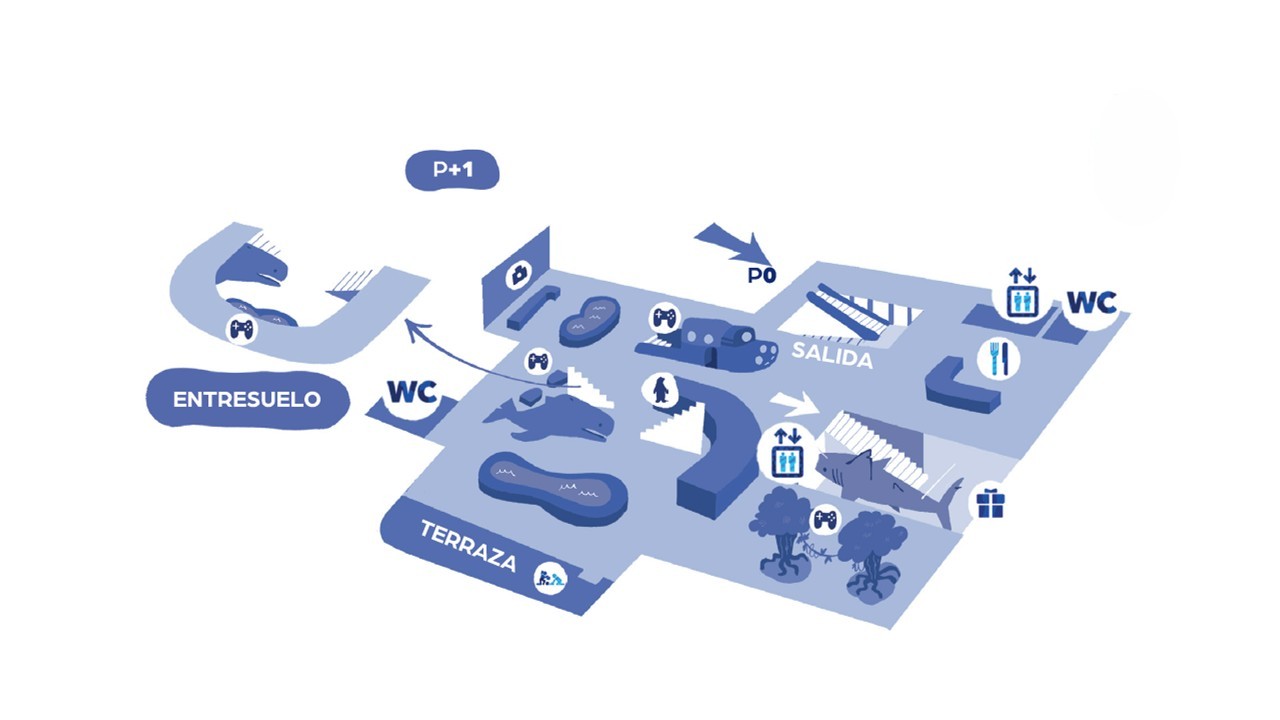
In addition, on the upper floor of L’Aquàrium de Barcelona, you’ll find compositions inspired by the Japanese philosophy of Nature Aquarium, where rocks, plants and roots form balanced scenes evoking mountains, forests and rivers.
Each aquarium works as an artistic piece in constant evolution, where aesthetics and nature coexist in harmony.
Takashi Amano: naturalist and creator of aquatic art
Takashi Amano (Niigata, Japan, 1954 – 2015) was a world-renowned naturalist and photographer. His vision transformed traditional aquarium keeping into an art form based on observing nature.
Among public exhibitions, few are directly inspired by his concept of Nature Aquarium, which makes this exhibition a singular proposal.
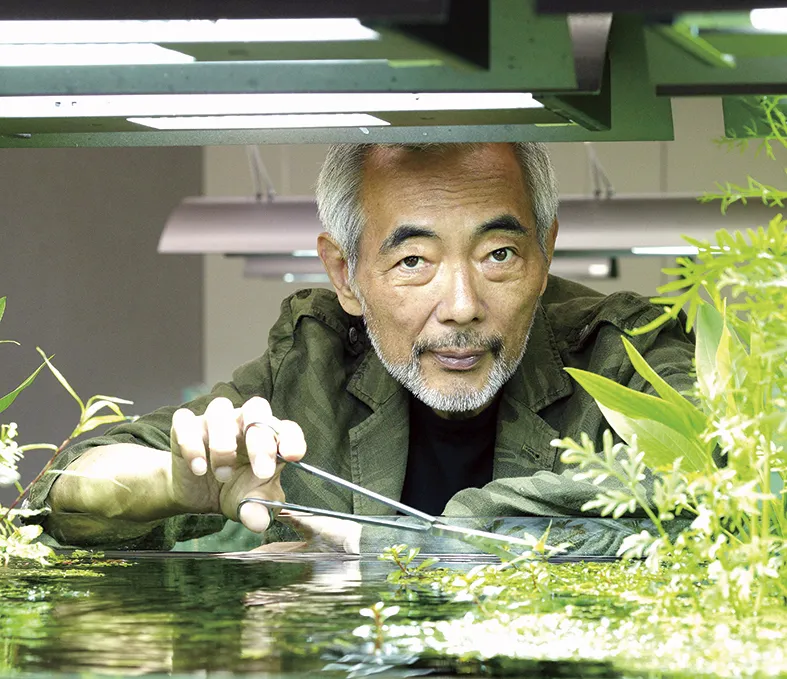
Amano believed an aquarium should look as though created by nature itself, not artificially designed.
His inspiration came from:
- the Japanese aesthetic of wabi‑sabi
- zen gardens
- natural landscapes photographed during his travels
That’s why, his central idea was clear: an aquarium had to be a living natural landscape, not just a tank with fish.
Japanese aquatic art: minimalism with depth
The aquascaping developed by Amano is based on an artistic interpretation of nature. Although the compositions look simple, they follow very precise visual principles.
He used:
- simple compositions
- a limited palette of plants
- clean lines
- natural materials such as rocks and roots
However, behind this minimalism lies a rigorous compositional logic:
- the rule of thirds
- the golden ratio
- balance of mass
- the direction of visual movement
The result is a balanced, natural underwater landscape.
Plants are the protagonists of the landscape
In traditional aquarium keeping, fish are the focus.
In Takashi Amano’s approach, it’s the opposite:
- plants create structure, rhythm and depth,
- fish are “living brushstrokes” that add movement and scale.
He chose species that would reinforce the composition, not break it. In aquatic landscapes, this difference is fundamental: plants structure the design.
An aesthetic based on observing nature
As a nature photographer, Takashi Amano traveled through some of the planet’s most iconic ecosystems. His journeys through the tropical rainforests of the Amazon, Borneo, West Africa and Southeast Asia, among others, directly influenced his compositions.
During these trips, he documented:
- tropical forests
- streams
- wetlands
- submerged roots
He transferred these landscapes into the aquarium:
- roots evoking mangroves
- rocks reminiscent of mountain ranges
- valleys and slopes underwater
- miniature underwater forests
Technology in the service of art
To create these landscapes, Amano developed specific equipment. This allowed him to reproduce natural ecosystems with the precision he sought. This equipment is known as ADA (Aqua Design Amano) , which allows natural landscapes to be reproduced with precision.
His approach included:
- intense lighting
- CO₂ injection
- nutrient-rich substrates
- minimalist glass filters and diffusers
Technology is not the goal, but the tool that allows nature to be recreated with precision.
A philosophy of respect for nature
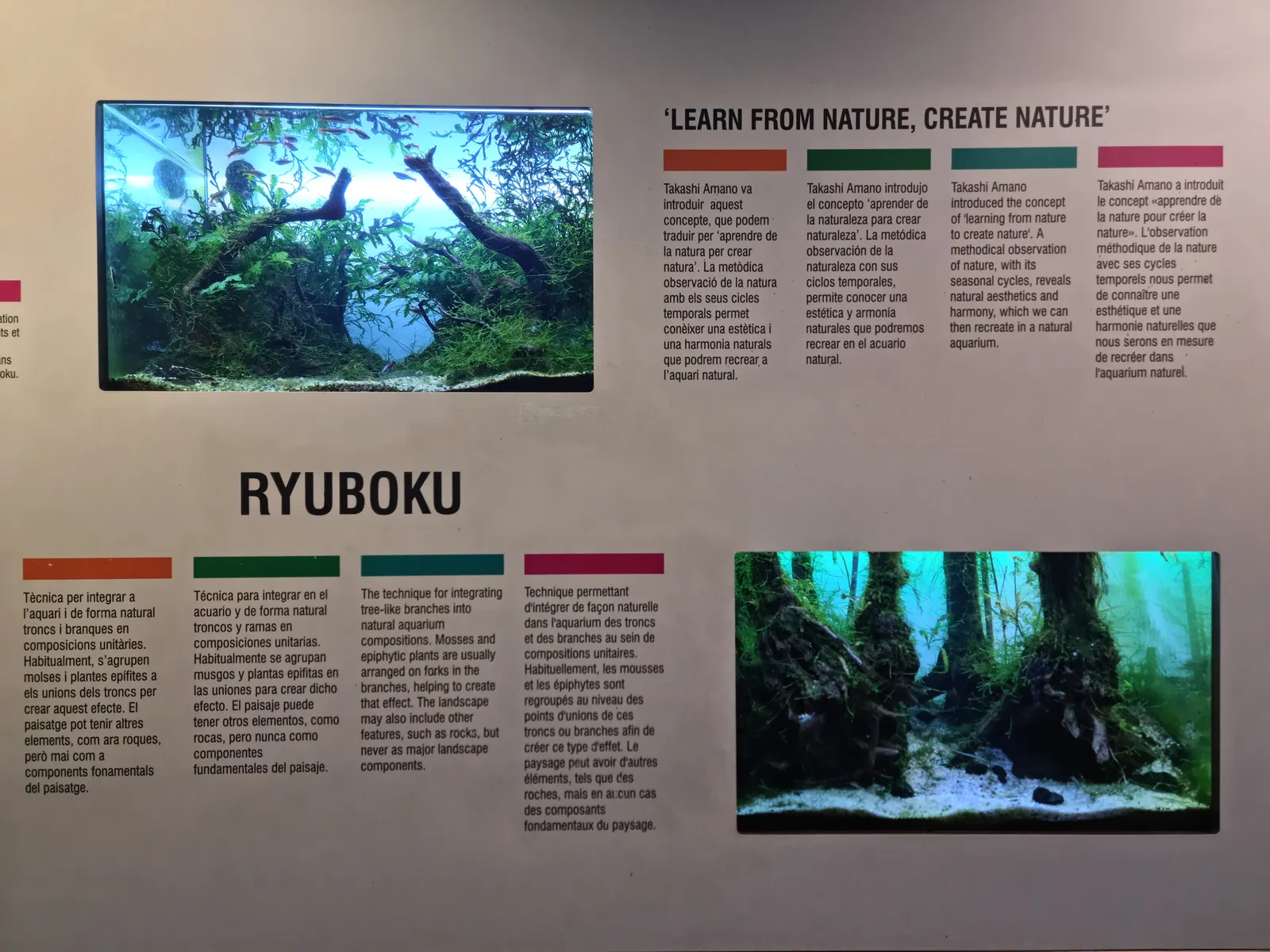
The concept “Learn from nature, create nature” sums up Amano’s philosophy.
In this way, the natural aquarium becomes a way to:
- learn to observe
- slow down
- feel harmony
- understand the fragility of ecosystems
More than a design, aquascaping conveys an ecological and contemplative message.
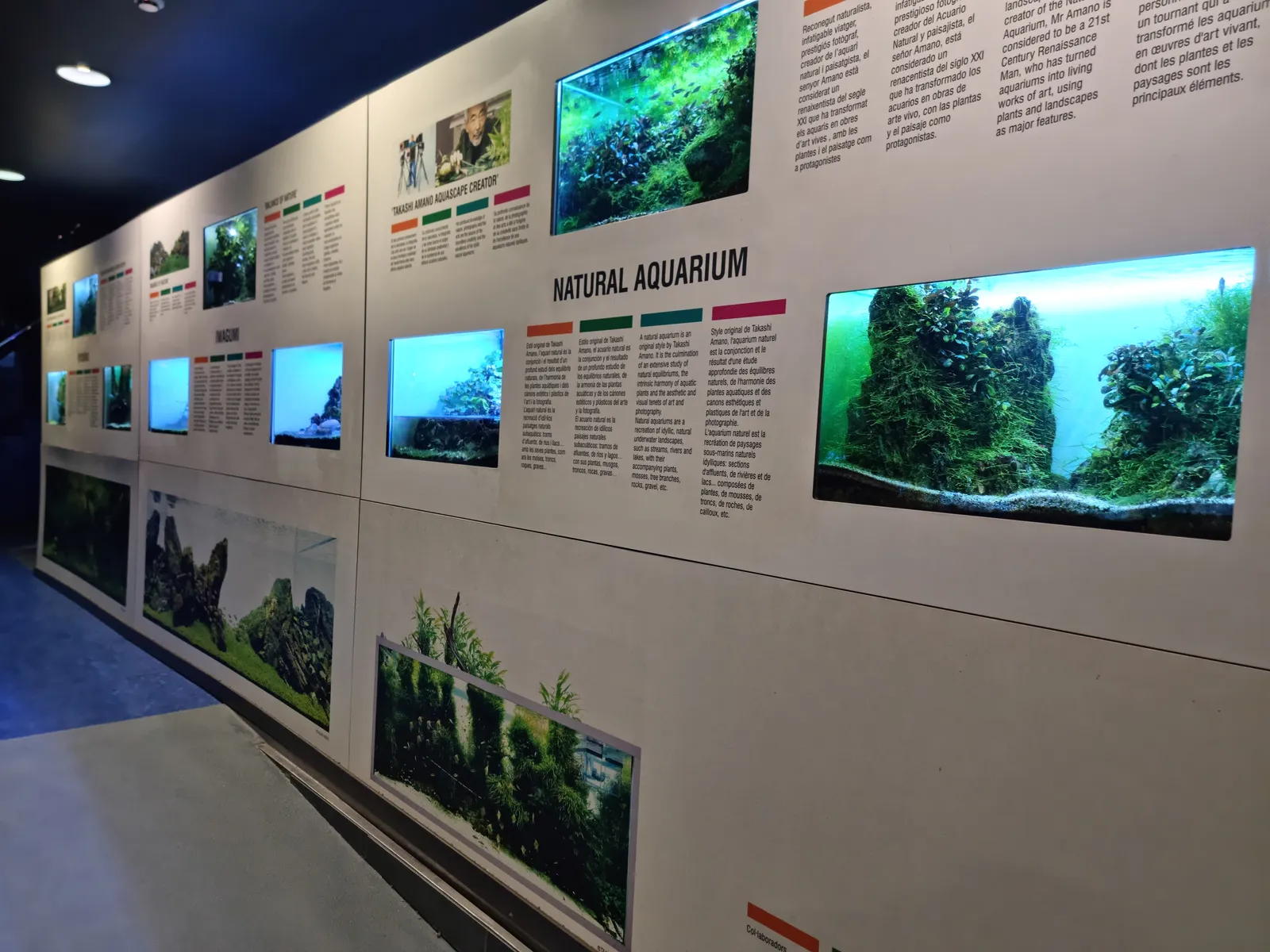
Takashi Amano’s fundamental styles
Japanese aquatic art brings together different styles that interpret nature from various perspectives. Each one uses rocks, driftwood, plants and mosses to recreate balanced landscapes evoking mountains, forests or rivers.
Having understood his philosophy, explore the styles that defined his visual language.
Iwagumi: the art of stones and minimalist purity
The Iwagumi style (“rock formation” in Japanese) is one of Amano’s most emblematic. It is based on a composition built almost exclusively with stones and a very limited selection of plants.
Main characteristics:
- rocks as the main elements
- a composition governed by classic Japanese principles:
- Oyaishi (main stone)
- Fukuishi (secondary stones)
- Soeishi (supporting stones)
- sense of a submerged meadow
- extreme minimalism
Feeling conveyed:
A serene, almost meditative landscape, inspired by natural mountains and hills.
Ryuboku: landscapes of driftwood and roots
The Ryuboku style uses wood and roots as the structure of the landscape.
Main characteristics:
- dynamic compositions based on interlaced roots
- sense of a flooded forest, mangrove or tropical riverbank
- a greater variety of plants: mosses, ferns, stems
- an upward or diagonal visual movement that guides the eye
Feeling conveyed:
A wilder, more organic landscape, full of life, inspired by the tropical forests and submerged roots Amano photographed during his travels.
Mizube: the boundary between water and land
The Mizube style recreates the boundary between the aquatic and terrestrial environments, a space Amano considered especially poetic.
Main characteristics:
- emergent and submerged elements
- plants outside the water
- a natural transition between ecosystems
- a hybrid composition
Feeling conveyed:
It represents riverbanks, marshes and riverside margins.
A landscape that evokes the fragility and beauty of border ecosystems.
The visual language of the Nature Aquarium
Each style expresses a different facet of aquascaping:
- Iwagumi → purity, natural balance and contemplation
- Ryuboku → dynamism, organic complexity, natural energy
- Mizube → transition, life at the edges, connection between worlds
Together, they form the visual language of the Nature Aquarium, where the aquarium becomes a living landscape.
Nature, the perfect artist
The concept “Balance of Nature” holds that healthy ecosystems remain in balance. That’s why the natural aquarium recreates this harmony in miniature.
The role of humans is to learn from it, not to dominate it.
Aquascaping thus becomes a form of:
- art
- science
- meditation
- ecological philosophy
- connection with nature
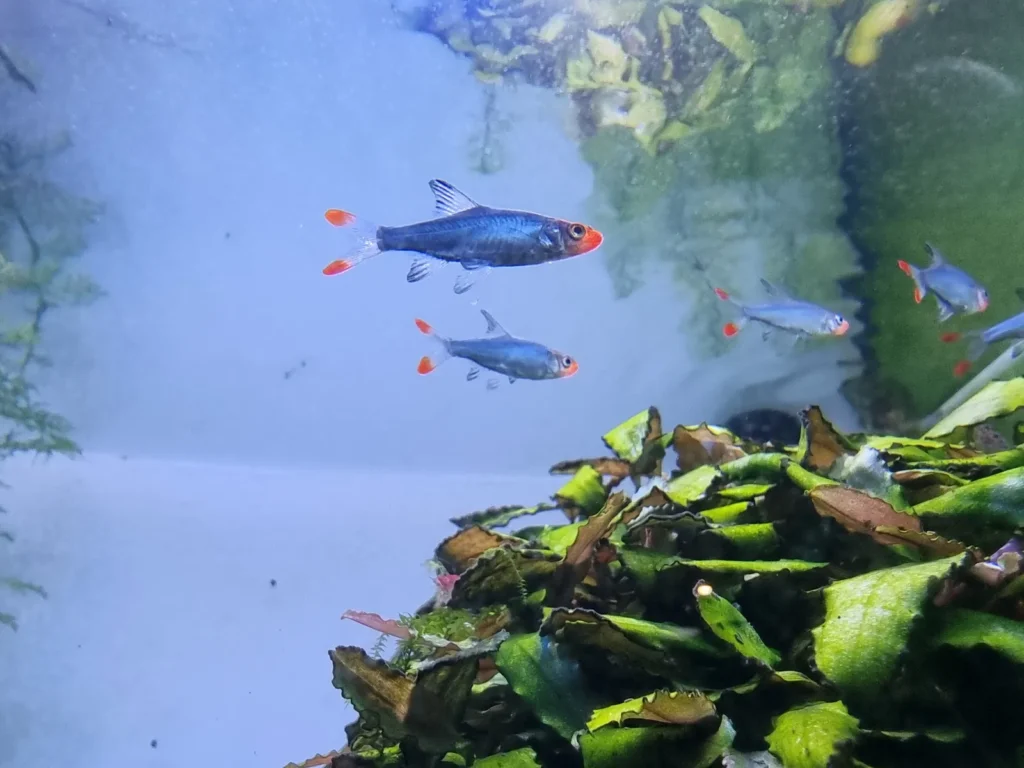
Aquascaping in Barcelona: visit the exhibition
L’Aquàrium de Barcelona is home to one of the few permanent aquascaping exhibitions in Europe directly inspired by Takashi Amano’s philosophy.
Here, you can enjoy small samples of nature with an impeccable compositional coherence, aquariums designed as living landscapes.
Finally, it’s an exceptional opportunity to enjoy the Japanese art of the natural aquarium in Barcelona.