Develop your research project at L’Aquàrium de Barcelona
Carry out your Research Project (TDR) with the support of specialised biologists and educators, working directly with marine organisms and Mediterranean ecosystems.
This course is designed to guide and advise Baccalaureate students in the design and development of their project, providing tools, resources and methodological support in a science outreach and marine environment context.
Throughout the different sessions, participants will explore various topics related to marine biodiversity, conservation and research, gaining knowledge and skills that will help them develop their work with scientific rigour.
Check session dates and course topics
Why study the sea?
The Mediterranean: a constantly changing ecosystem
The Mediterranean Sea is a complex and dynamic environment where some of today’s major environmental challenges are evident, such as climate change, biodiversity loss and the arrival of new species.
Through this course, students develop their Research Project in contact with real-life issues, understanding how science contributes to the knowledge and conservation of the marine environment.
What does the marine research advisory course include?
Applied scientific research in a professional environment
The programme provides specialised scientific mentoring for the development of Baccalaureate Research Projects (TDR), enabling direct contact with the marine environment and work in a scientific outreach setting.
- 6 free visits to the facilities for data collection
- Access to the technical area
- Work with real biological material
- 3 scientific advisory sessions
- Interview with a marine research specialist
- Methodological guidance for hypothesis formulation, data analysis and conclusion development
Duration: 6 hours (4 sessions of 90 minutes)
Limited places: maximum 10 participants
Price: 100€ per student
Students work directly with:
- Systematic observation in live aquariums
- Biological material (scales, jaws, fins, eggs)
- Dissection of selected species
- Access to technical areas not open to the public
This direct contact turns the Research Project into an authentic scientific experience, connected to real marine studies.
The educational framework is aligned with the marine environmental education strategy developed at L’Aquàrium de Barcelona, a leading centre in Mediterranean conservation and outreach.
Project structure and research topics
Applied science for the study of marine life
Students can choose or take inspiration from different research lines related to marine biodiversity and aquatic ecosystem ecology.
Consult and choose the topic that best fits your research project
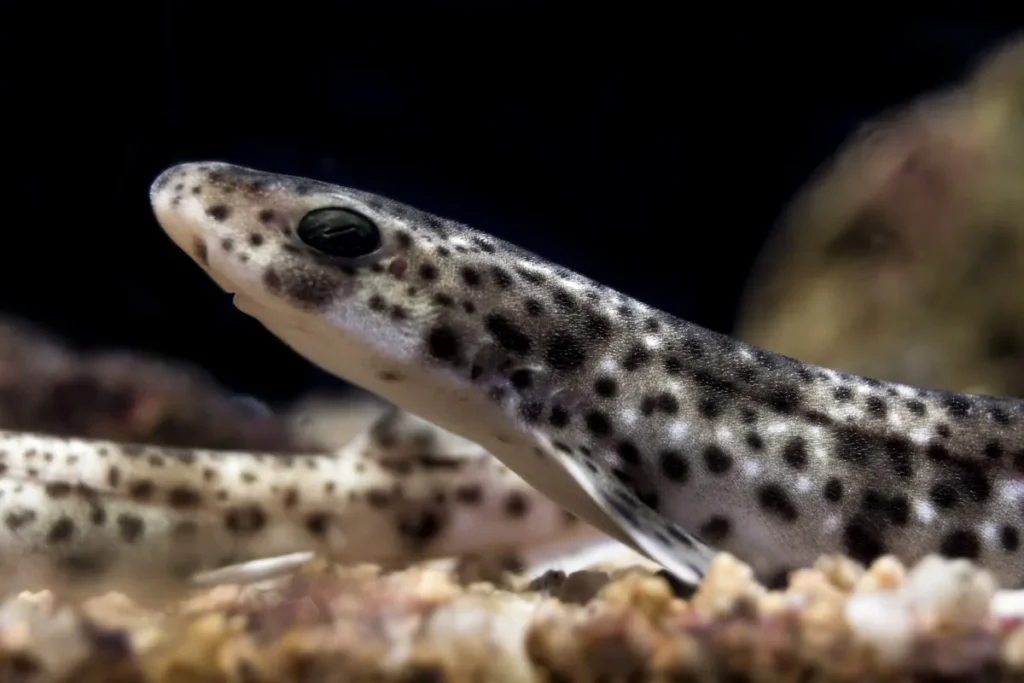
1. SHARKS
Objectives of the topic
- Understand what sharks are like and the characteristics that differentiate them from other fish.
- Describe different shark species based on their external features.
- Observe and relate the morphological characteristics of sharks to their behaviour.
- Establish a working method through observation guidelines that allow the identification of different shark species.
- Foster interest in scientific research and the study of the marine environment.
Development of the research project
Scientific support is structured through advisory sessions and independent work at L’Aquàrium de Barcelona:
- 1st session: guided visit to the aquariums of interest related to sharks.
- 2nd session: visit to the technical area of L’Aquàrium de Barcelona, consultation of bibliographic material and definition of the observational part of the project.
- 3rd session: observation of biological material (scales, teeth, jaws, fins, eggs, etc.) and dissection of a shark.
- 1 interview with a shark specialist for the development and finalisation of conclusions.
- 6 free visits to L’Aquàrium de Barcelona for data collection and species observation.
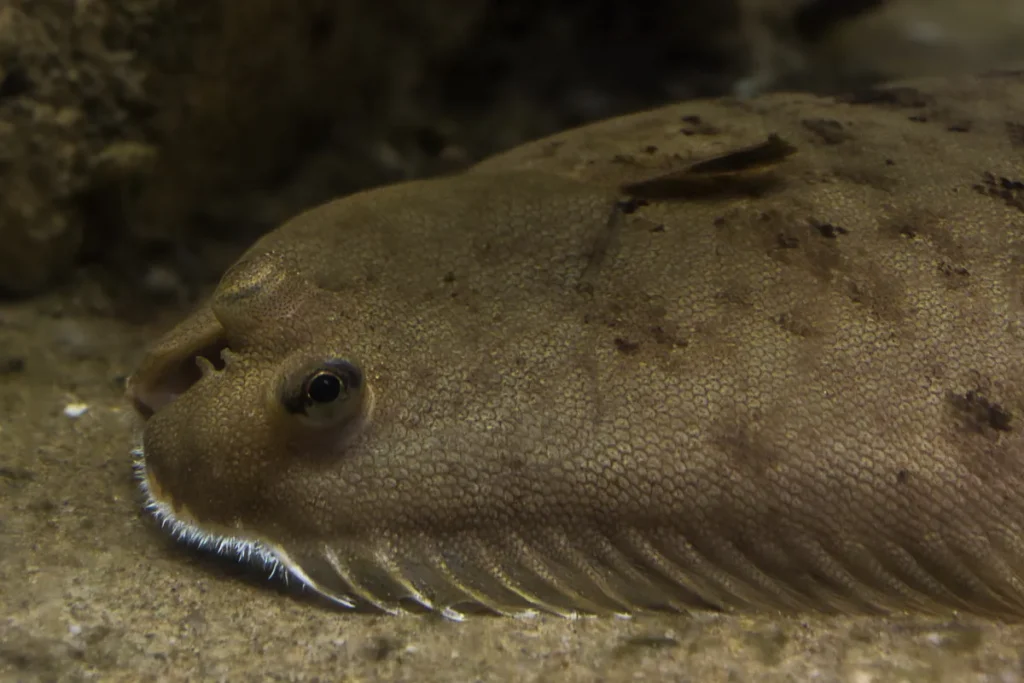
2. FISH ADAPTATIONS TO THE MARINE ENVIRONMENT
Objectives of the topic
- Describe species based on morphological characteristics
- Develop observation guidelines to identify different behaviours
- Relate the morphological characteristics of certain marine species to their behaviour and environment.
- Foster interest in scientific research and inquiry.
Development of the research project
- 3 mentoring sessions with a biologist:
- Session 1: guided visit of relevant aquariums
- Session 2: guided visit to the technical areas of L’Aquàrium de Barcelona, consultation of scientific resources, and definition of the observation phase.
- Session 3: dissection of a fish and observation of biological material related to the topic (scales, gills, etc.)
- 1 interview with a specialist biologist (development of conclusions)
- 6 self-guided visits to the facilities of L’Aquàrium de Barcelona for data collection
How to book
- Phone: 93 221 74 74 (Department for Education)
- Email: educacio@aquariumbcn.com
Frequently asked questions about the course
Is the course valid as official guidance for the Research Project (TDR)?
Yes, it is specifically designed as methodological and scientific support for the Baccalaureate Research Project.
Are real data collected?
Yes, students have free access to the facilities for observation and systematic data recording.
Explore activities for other educational levels:
- Early Childhood Education activity programme
- Primary Education activity programme
- Secondary Education activity programme
- Additional educational resources
Learn more about L’Aquàrium de Barcelona: